


Choosing between an 18K gold ring and a 14K gold ring is one of the most common decisions jewelry buyers face. While both options are made from real gold and offer beauty, durability, and timeless appeal, they differ significantly in purity, color, strength, and price.
Understanding these differences can help you choose the ring that best fits your lifestyle, budget, and personal preferences.
What Is 18K Gold?
18K gold is made of 75% pure gold mixed with 25% alloy metals such as copper, silver, zinc, or palladium. The higher gold content gives it a richer and warmer appearance compared to lower-karat gold options.
Because it contains more pure gold, 18K gold is often associated with luxury fine jewelry and high-end engagement rings. It offers an elegant balance between purity and practicality, making it a popular choice for premium jewelry collections.
What Is 14K Gold?
14K gold contains 58.3% pure gold and 41.7% alloy metals. The increased amount of alloy metals makes it stronger and more resistant to wear compared to 18K gold.
This durability has made 14K gold one of the most popular choices for everyday jewelry, especially in the United States. It combines the beauty of real gold with improved practicality for daily use.
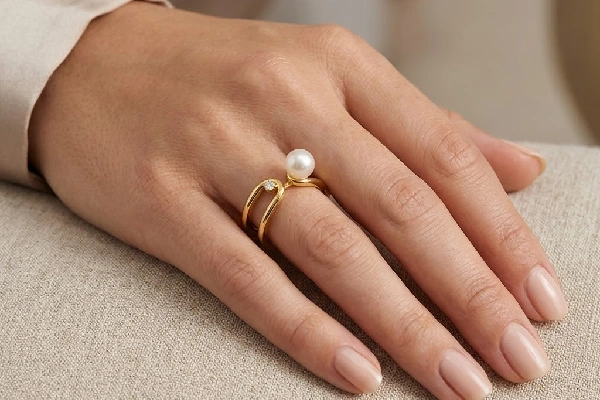
Purity Difference: 18K vs 14K
The primary difference between 18K and 14K gold is purity. 18K gold contains significantly more pure gold, while 14K gold contains a larger percentage of strengthening alloys.
Gold Purity Comparison
| Gold Type | Pure Gold Content | Alloy Metal Content |
|---|---|---|
| 18K Gold | 75% | 25% |
| 14K Gold | 58.3% | 41.7% |
Higher gold purity generally means a softer metal, while a higher alloy percentage increases durability and resistance to damage.
Color and Appearance
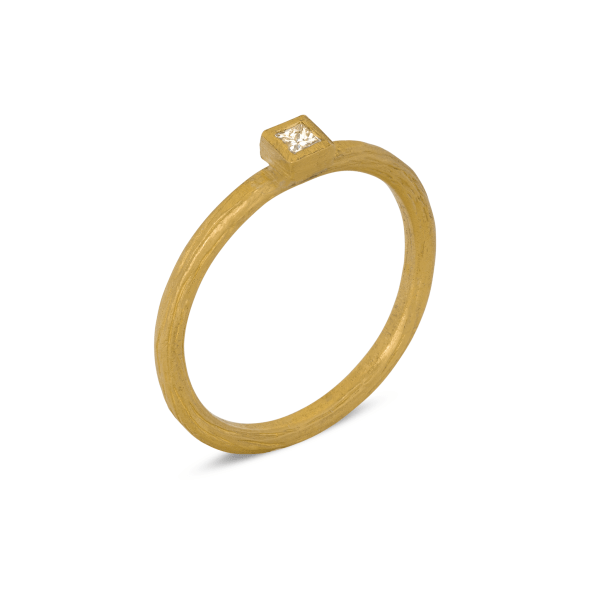
18K gold typically has a richer, deeper yellow tone because of its higher gold content. Many people consider this warmer color more luxurious and visually appealing.
14K gold appears slightly lighter and less saturated in color. While the difference may seem subtle, it becomes more noticeable when the two are placed side by side. White gold and rose gold variations also show slight differences depending on gold purity and alloy composition.
Durability and Scratch Resistance
When it comes to durability, 14K gold has a clear advantage. Its higher percentage of alloy metals makes it harder and more resistant to scratches, dents, and bending.
18K gold, while still durable enough for jewelry, is softer because of its increased pure gold content. This means it may scratch or show wear more easily over time, especially if worn daily in active lifestyles.
Durability Comparison
| Feature | 18K Gold | 14K Gold |
|---|---|---|
| Hardness | Softer | Harder |
| Scratch Resistance | Moderate | Higher |
| Bend Resistance | Lower | Better |
| Everyday Durability | Good | Excellent |
Comfort for Everyday Wear
Both 18K and 14K gold can be comfortable for daily wear, but lifestyle plays an important role in deciding which is more suitable. People who work with their hands frequently or live very active lifestyles often prefer 14K gold because it withstands wear more effectively.
18K gold is still wearable every day, but it may require more care to maintain its polished appearance over time.
Price Difference
18K gold is more expensive than 14K gold because it contains more pure gold. The price difference can be substantial, especially for larger rings or pieces with intricate designs.
14K gold offers a more budget-friendly option while still providing the beauty and prestige associated with real gold jewelry.
Average Price Comparison
| Gold Type | Relative Price Level |
|---|---|
| 18K Gold | Higher |
| 14K Gold | More Affordable |
Value and Long-Term Investment
Because of its higher gold content, 18K gold generally holds greater intrinsic value. It is often viewed as a stronger luxury investment and may retain better long-term worth.
14K gold also maintains value because it is genuine gold jewelry, but its lower purity means the raw material value is lower compared to 18K pieces.
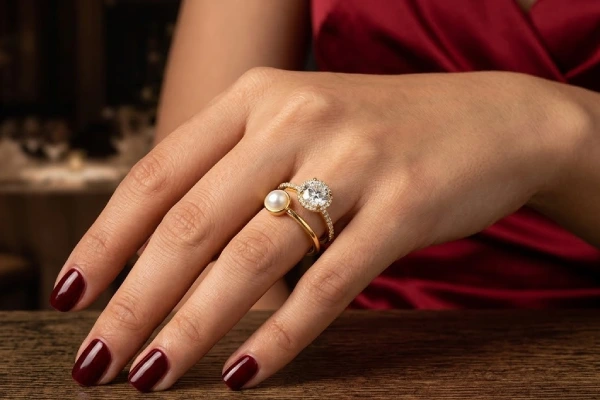
Which One Is Better for Engagement Rings?
Both 18K and 14K gold are commonly used for engagement rings, but the better option depends on priorities. 18K gold offers a richer appearance and a more luxurious feel, making it attractive for elegant and high-end designs.
14K gold, however, is often preferred for engagement rings intended for everyday wear because it provides greater durability and better protection against scratches and daily impact.
Which One Is Better for Daily Use?
For daily wear, 14K gold is generally considered the more practical choice. Its stronger alloy composition helps it maintain shape and finish more effectively over time.
18K gold can still work beautifully for everyday jewelry, but owners may need to be more mindful about avoiding rough contact and maintaining the ring regularly.
Hypoallergenic and Skin Sensitivity
18K gold is usually a better option for people with sensitive skin because it contains a higher percentage of pure gold and fewer alloy metals that may trigger irritation.
14K gold may contain nickel or other metals that can occasionally cause allergic reactions, depending on the specific alloy used. Choosing nickel-free options can help reduce this risk.
Style and Aesthetic Differences
18K gold is often associated with luxury, sophistication, and traditional fine jewelry. Its deeper gold tone gives it a refined and premium appearance.
14K gold tends to feel slightly more modern and practical while still maintaining a classic gold look. Because of its durability, it is commonly used in minimalist jewelry and everyday fashion pieces.
How to Choose Between 18K and 14K
The right choice depends on how you plan to wear the ring and what matters most to you. If you value richer color, higher purity, and luxury appeal, 18K gold may be the better fit.
If durability, affordability, and lower maintenance are more important, 14K gold often provides the best balance between beauty and practicality.
Quick Decision Guide
| Priority | Better Choice |
|---|---|
| Luxury Appearance | 18K Gold |
| Everyday Durability | 14K Gold |
| Higher Gold Purity | 18K Gold |
| Budget-Friendly Option | 14K Gold |
| Sensitive Skin | 18K Gold |
| Active Lifestyle | 14K Gold |
Final Verdict: Which Gold Ring Is Right for You?
Both 18K and 14K gold rings offer lasting beauty and timeless appeal, but they serve different needs and lifestyles. 18K gold stands out for its rich color, luxury feel, and higher purity, making it ideal for those who prioritize elegance and prestige.
14K gold excels in durability, practicality, and affordability, making it one of the best options for daily wear and active lifestyles. Ultimately, the best choice depends on how you plan to wear your jewelry, your budget, and the balance you want between luxury and long-term durability.